Quality & Traceability
Every block, slab and lot carries a record. On a natural material, that record is most of the product.

Variation
V1, V2, V3 — a description, not a ranking
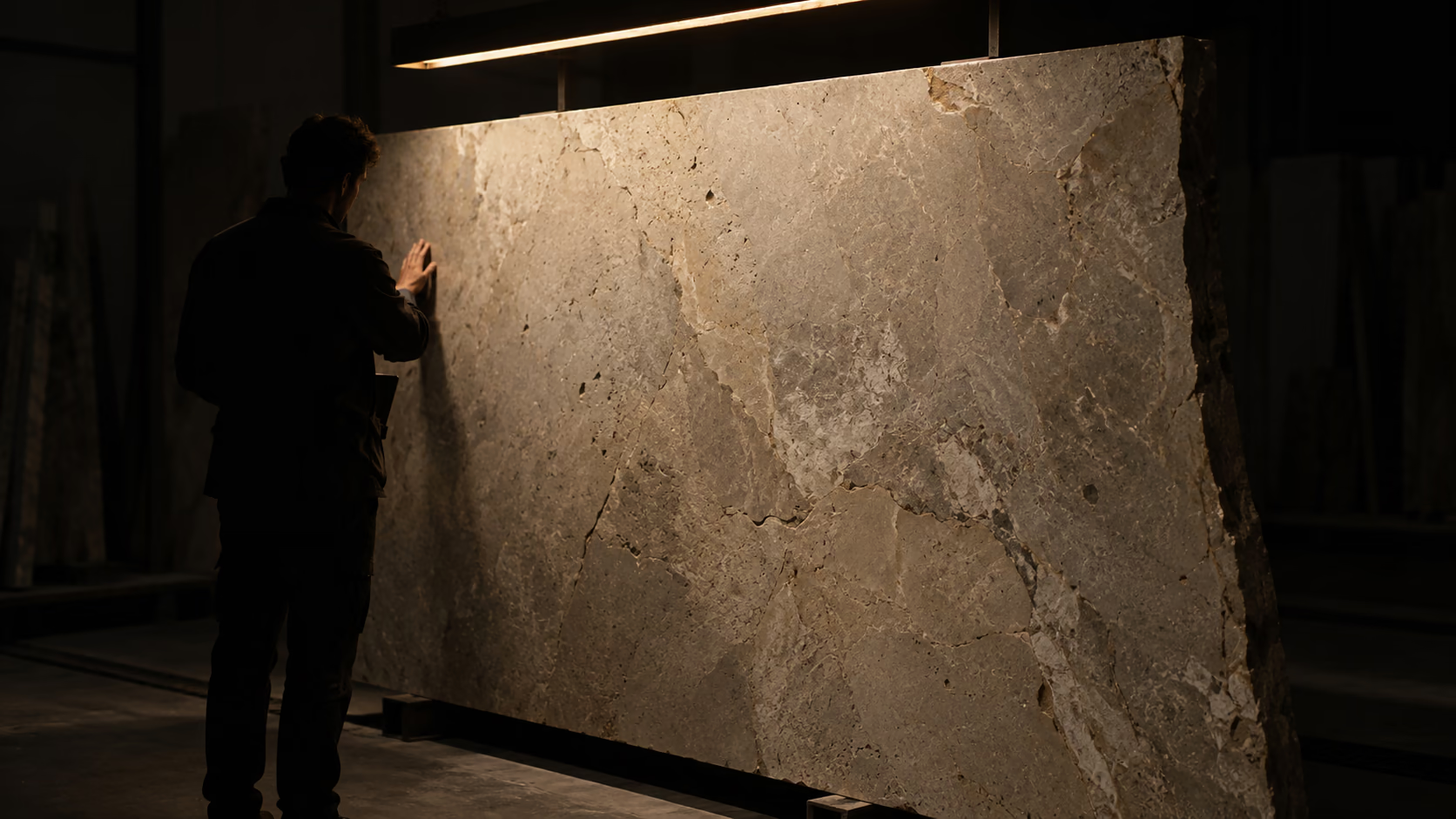
Variation grades describe how much the veining and the background tone move across a lot. V1 is uniform, V2 moderate, V3 substantial. A V3 material is not lower quality than a V1 — it is a different design proposition, and frequently the more expressive one.
What matters commercially is that the expected range is stated, in writing, before you commit. Most disputes in this industry are variation disputes, and almost all of those are really expectation disputes: the material did what the material does, and nobody had agreed in advance what that would look like across eight hundred square metres.
For large or phased quantities the practical control is the lot. Material reserved from one lot behaves consistently; material topped up later from a different block is where the tone shift a guest notices between two floors comes from.
Inspection
Release is a gate, not a formality
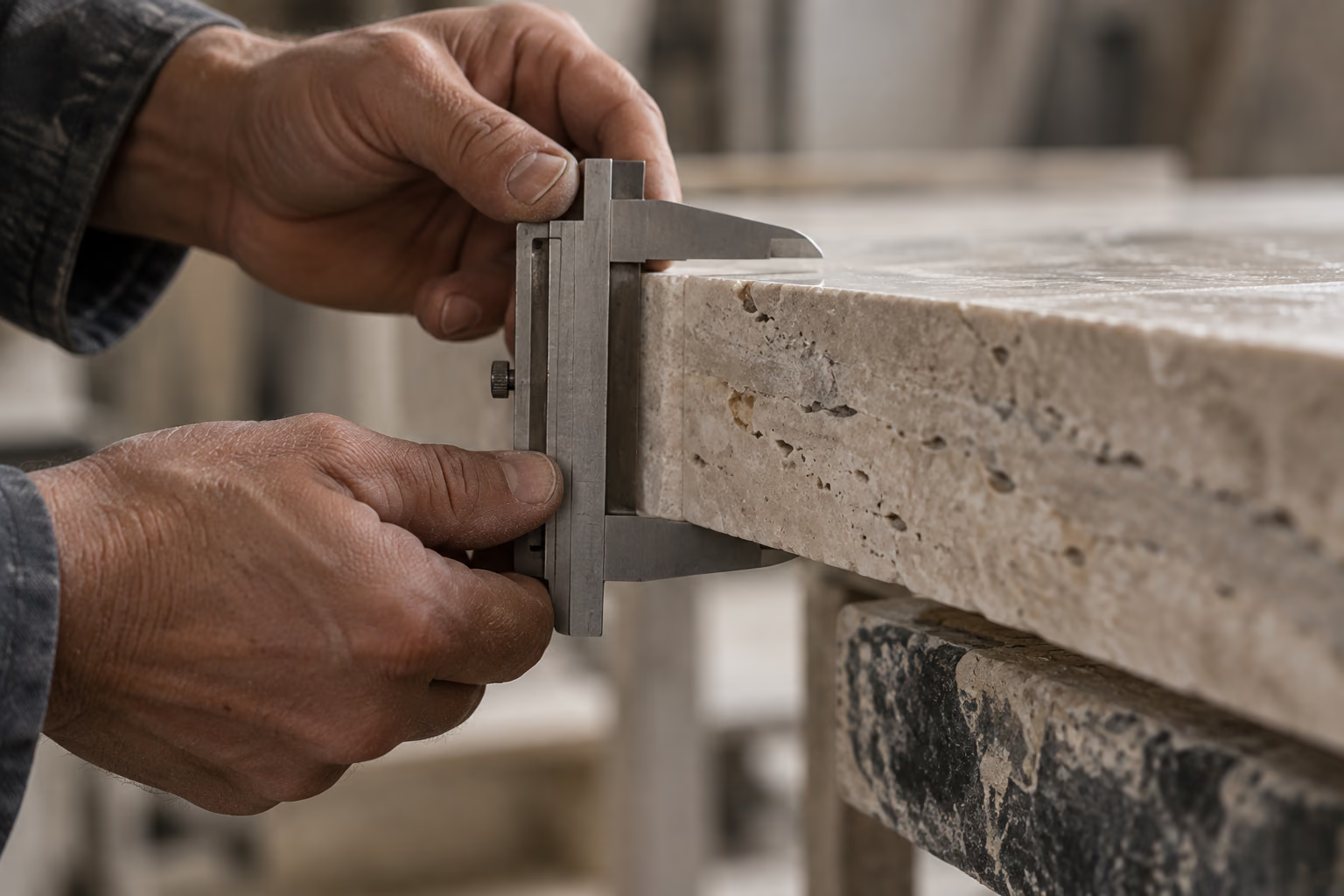
Inspection covers dimensions and calibration, grade confirmation, variation assignment, defect type and location, repairs and resin work, and finish consistency across the lot.
A lot does not become available, and a production order does not complete, until a qualified person releases it. That decision is recorded against a named individual — not a department.
Traceability
The identifier follows the stone
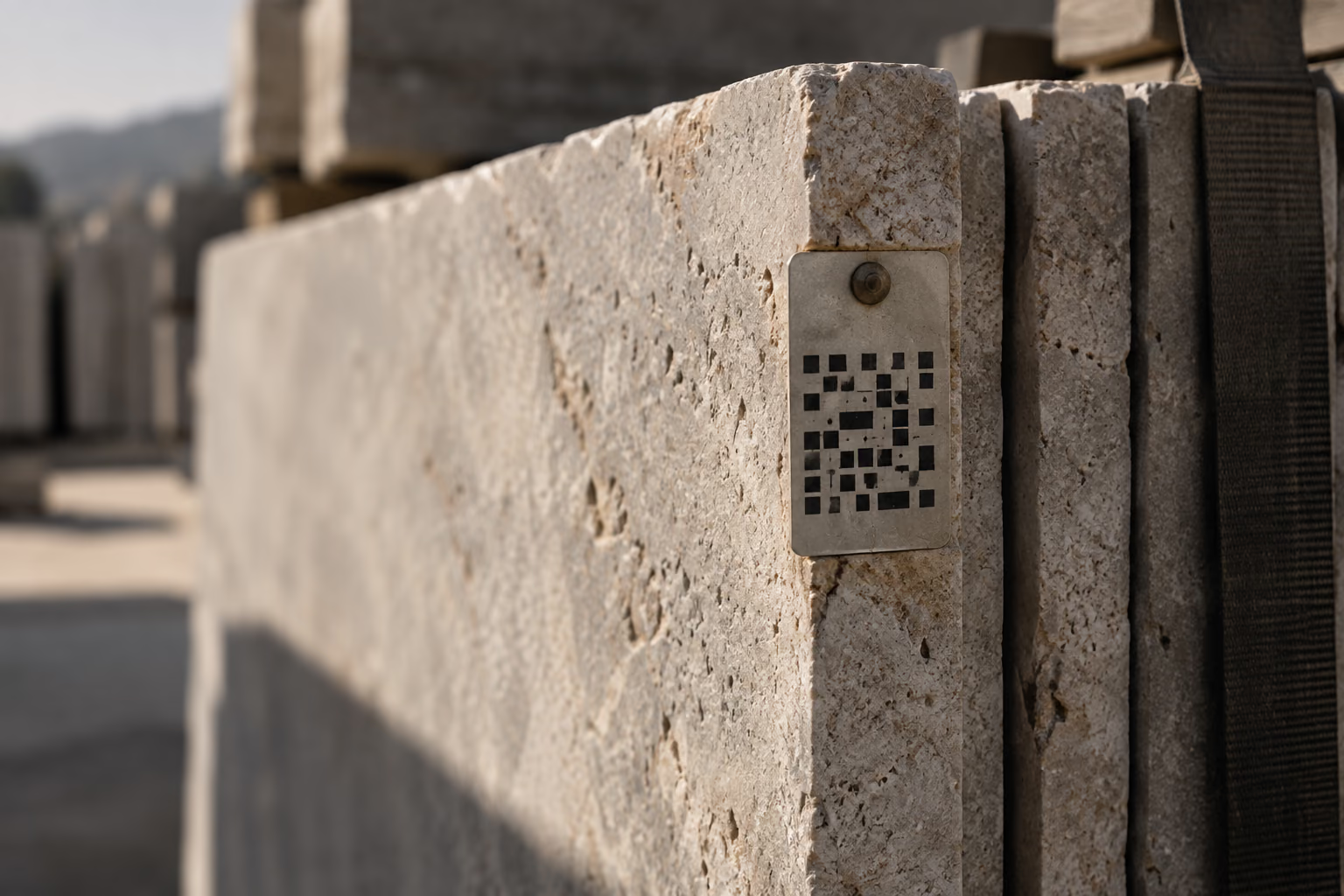
From the moment a block is measured, it carries an identifier. Slabs inherit it, lots aggregate it, and every photograph, measurement, defect note and status change attaches to it.
In the yard this is a scan. In the record it is an audit trail: who changed what, when, and from where. Status changes follow a defined sequence — a lot cannot become available without passing inspection, and it cannot be reserved without a named person taking that decision.
When you approve a lot, we can prove the lot you approved is the lot that shipped.
Documentation
Issued per lot, not published as a claim
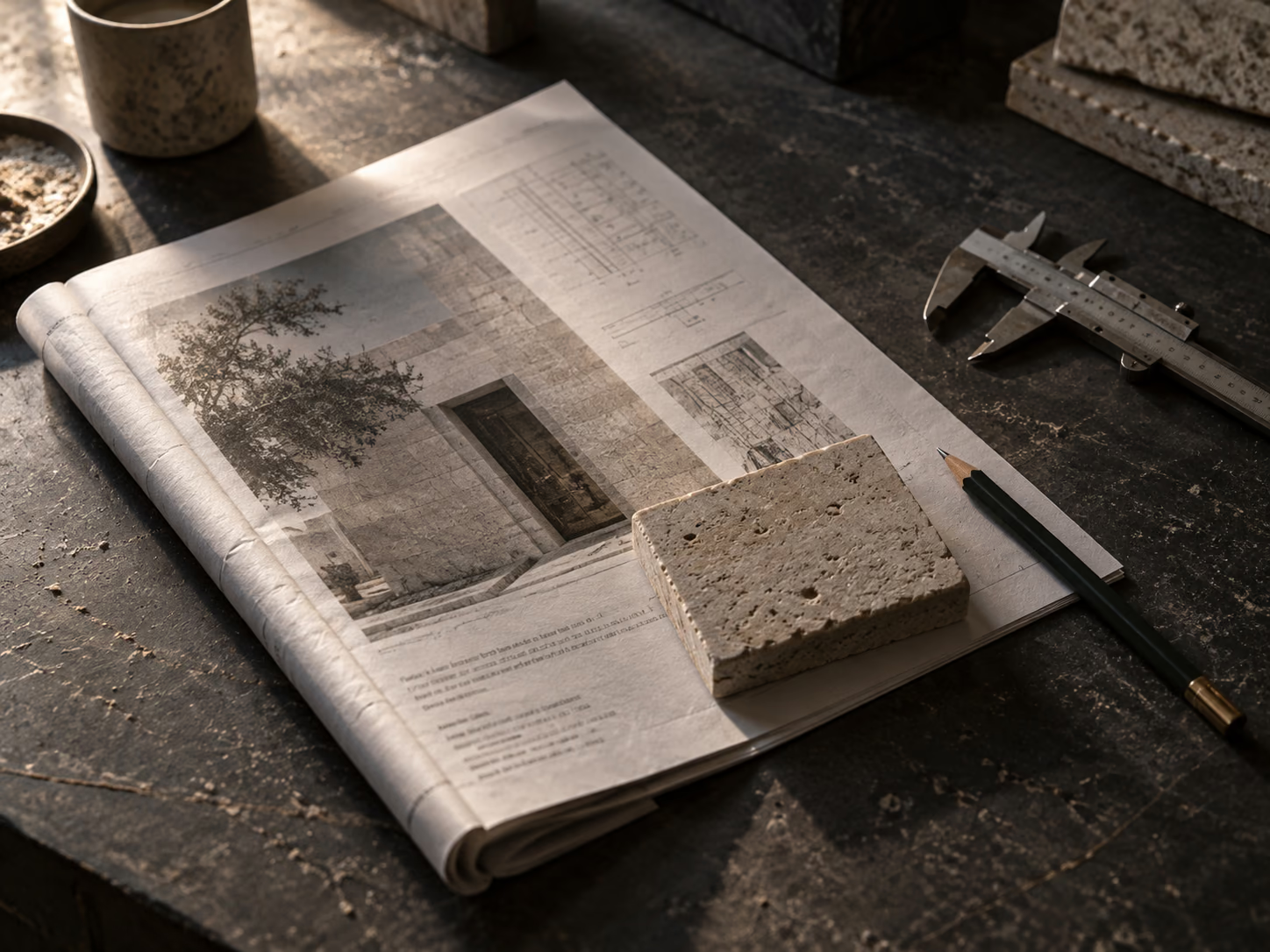
Test data is issued for the material you are actually buying, on request, at the point in the project where it matters — normally at specification and again at approval.
We deliberately do not publish generic performance figures against a stone name. Natural stone varies between lots; a number measured on someone else’s block is not a specification, and treating it as one is how technical claims end up in dispute. A figure you can rely on is a figure measured on your material.
Questions
What quality teams ask before they approve
Can we inspect before shipment?
Yes, in person or against the lot record — photographs, measurements, grade and defect notes attached to the identifier. Third-party inspection is welcome; the record exists precisely so that an independent party can check it.
What happens if the delivery does not match the approval?
The identifier makes that answerable rather than arguable. Each lot records who inspected it, on what basis it was released, what was packed and in which crate. A discrepancy becomes a fact to resolve instead of two recollections in conflict.
Do you publish test certificates on the website?
No, and that is deliberate. A certificate belongs to the lot it was measured on. Publishing one against a stone name invites it to be used as a specification for material it never described.
How is variation agreed so it holds at installation?
The expected range is stated before commitment and confirmed against the actual lot at release, with photography attached to the identifier. What you approve is what is recorded, and what is recorded is what ships.
Request a Quote
Tell us what you are building
A specialist reviews every request. You will hear from a person, not an autoresponder.