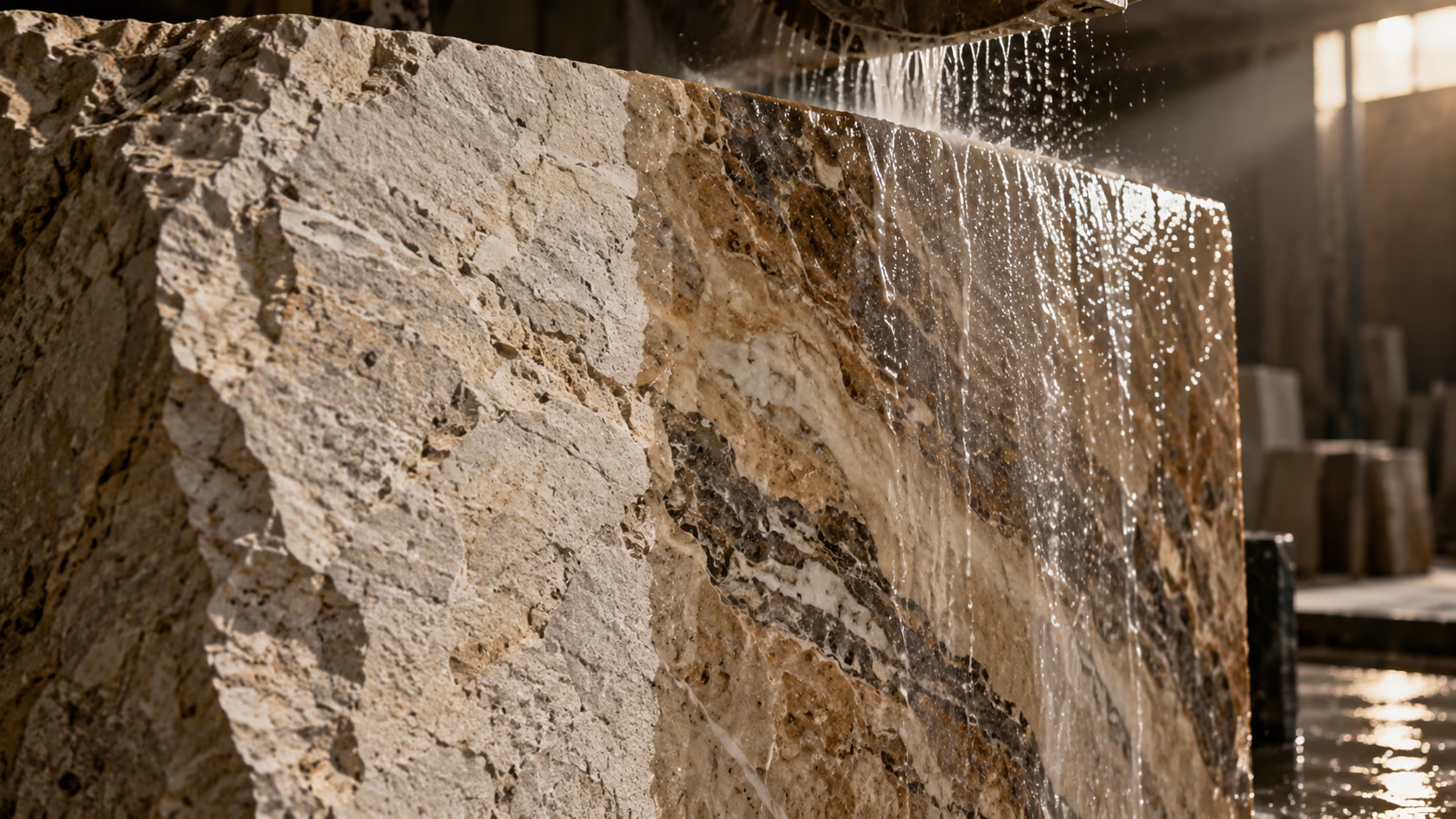
From block to slab
Selection, transformation, control. In that order, because the order is not reversible.
Natural stone is not manufactured; it is revealed. Every decision between the extraction face and the container either preserves what the material can do or quietly reduces it — and almost none of those decisions can be taken twice.
A block cut in the wrong direction cannot be uncut. A slab calibrated too thin cannot be thickened. A finish applied to the whole lot cannot be reconsidered once the crates are closed. This page is the sequence, and why each step is where it is.
Selection
Most of what comes out of the ground should not go into a project
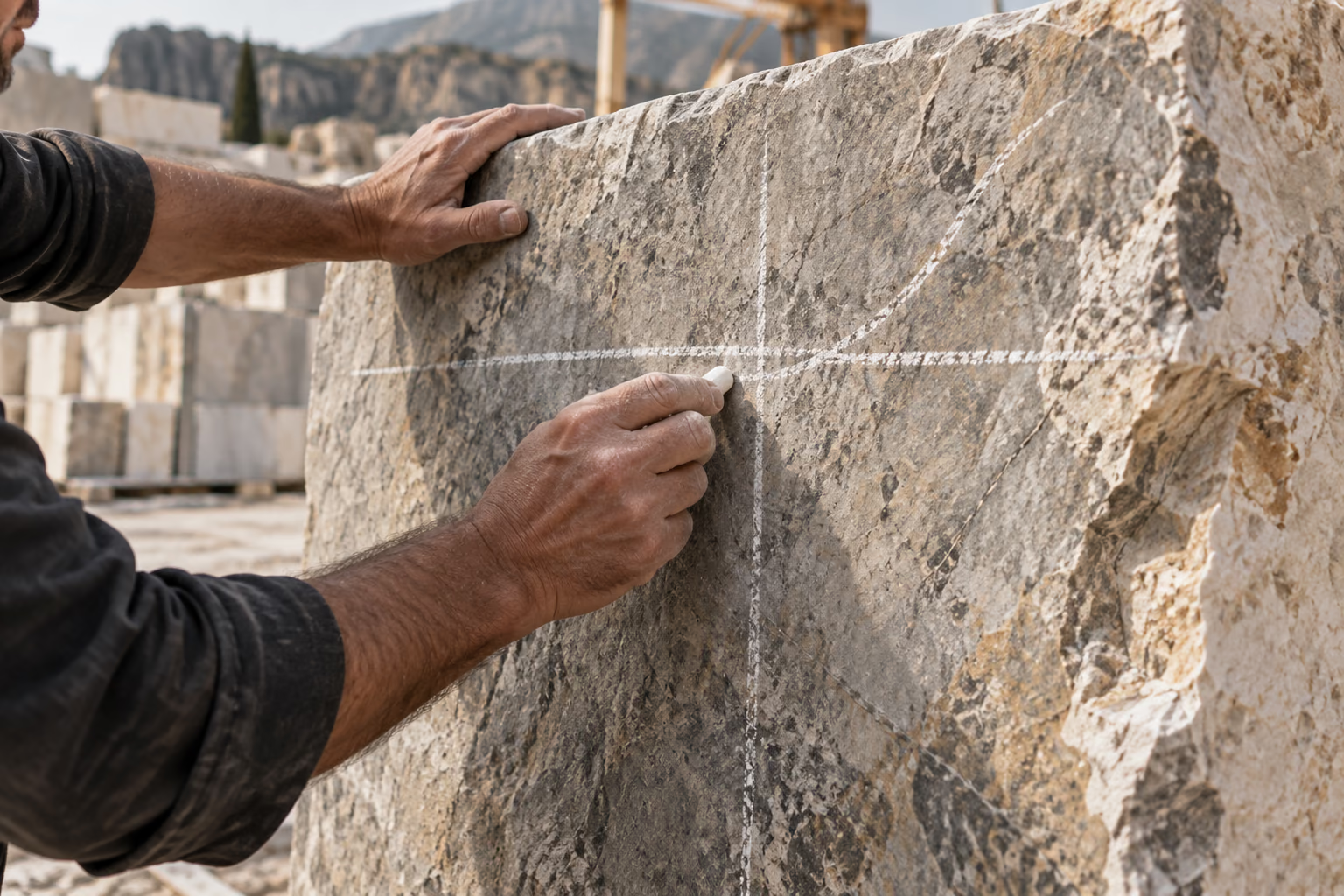
Selection is the part of this business with the least glamour and the most consequence. A block is read for soundness, colour continuity and fracture pattern before it is committed — because a hidden fault costs far more downstream than rejecting the block would have cost upstream.
The judgement that matters is not whether a block is beautiful. It is whether it will still be beautiful after it has been sawn into forty slabs, and whether those forty slabs will still look like one material when they are laid next to each other on a floor.
We would rather decline an order than supply a material into a use it will fail in. That is easy to write and harder to do, and it is the substance of what we are actually selling.
Cut direction
The decision that cannot be revisited
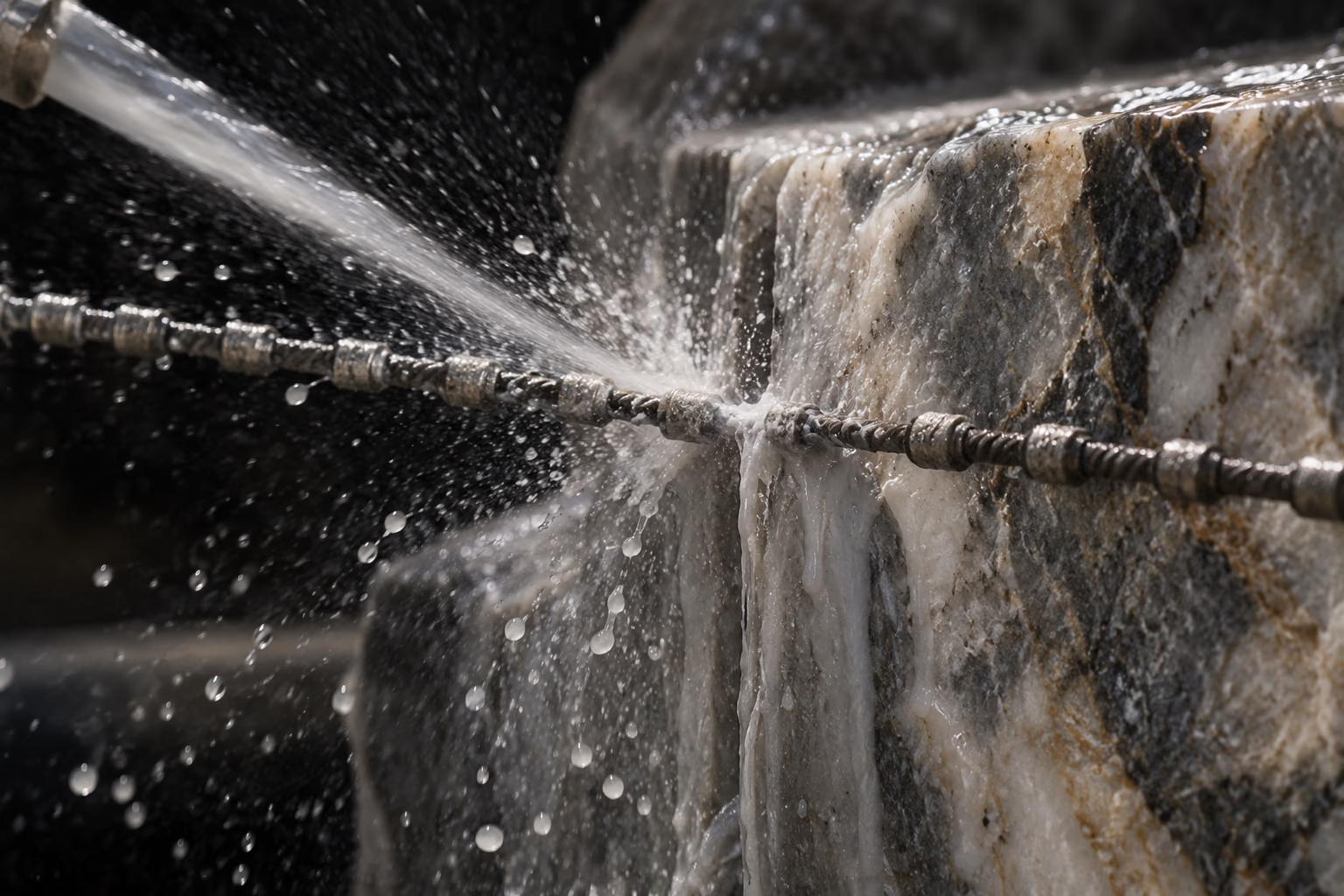
Before a block is sawn, it is oriented. For travertine and for directional marble this single choice does more to determine the finished appearance than the finish, the thickness or the layout will.
Process
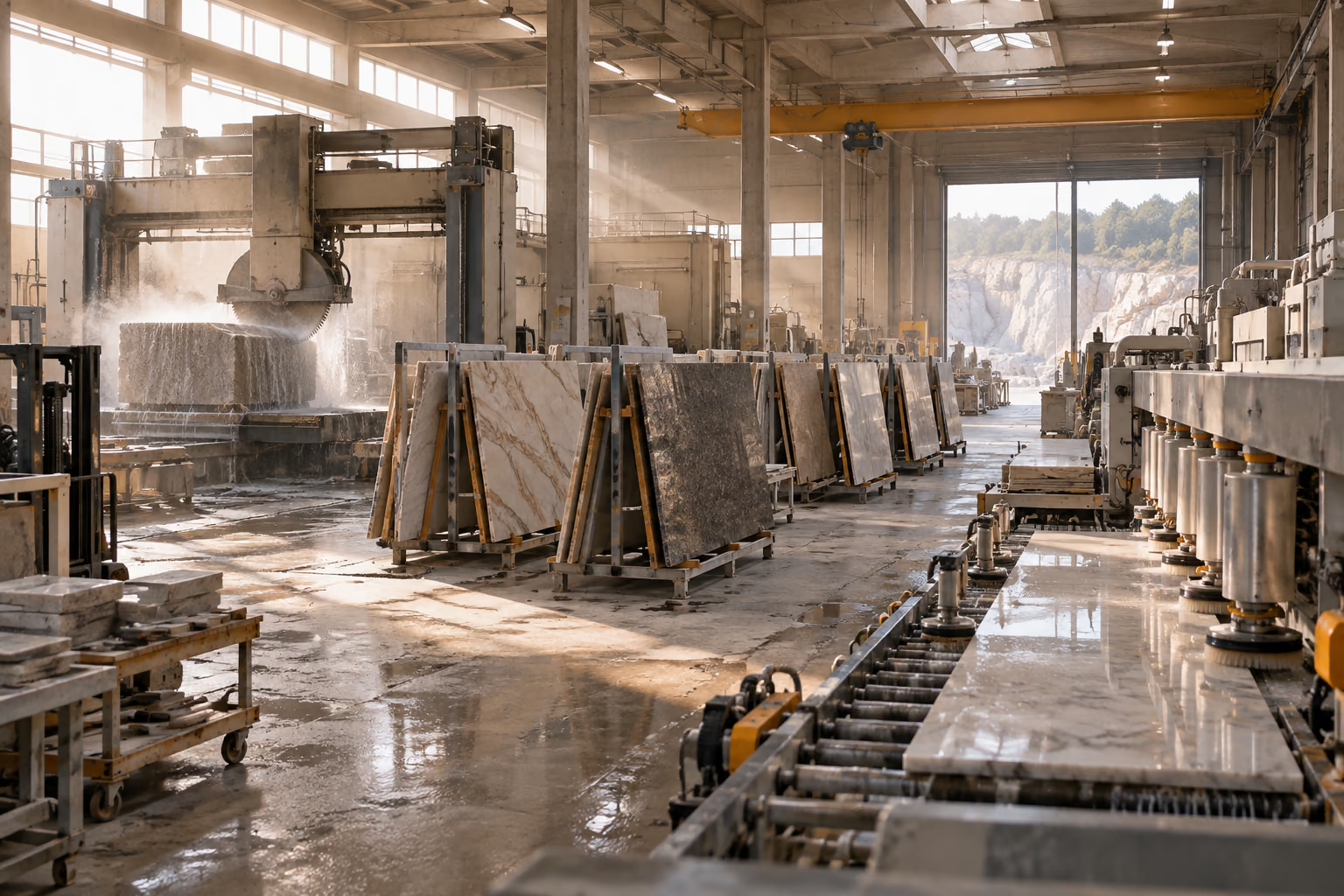
Seven stages, each with a defined output
Nothing moves to the next stage until the current one has produced what it is supposed to produce. That is the whole method, and it is why a problem surfaces in the yard rather than on your site.
Finishing
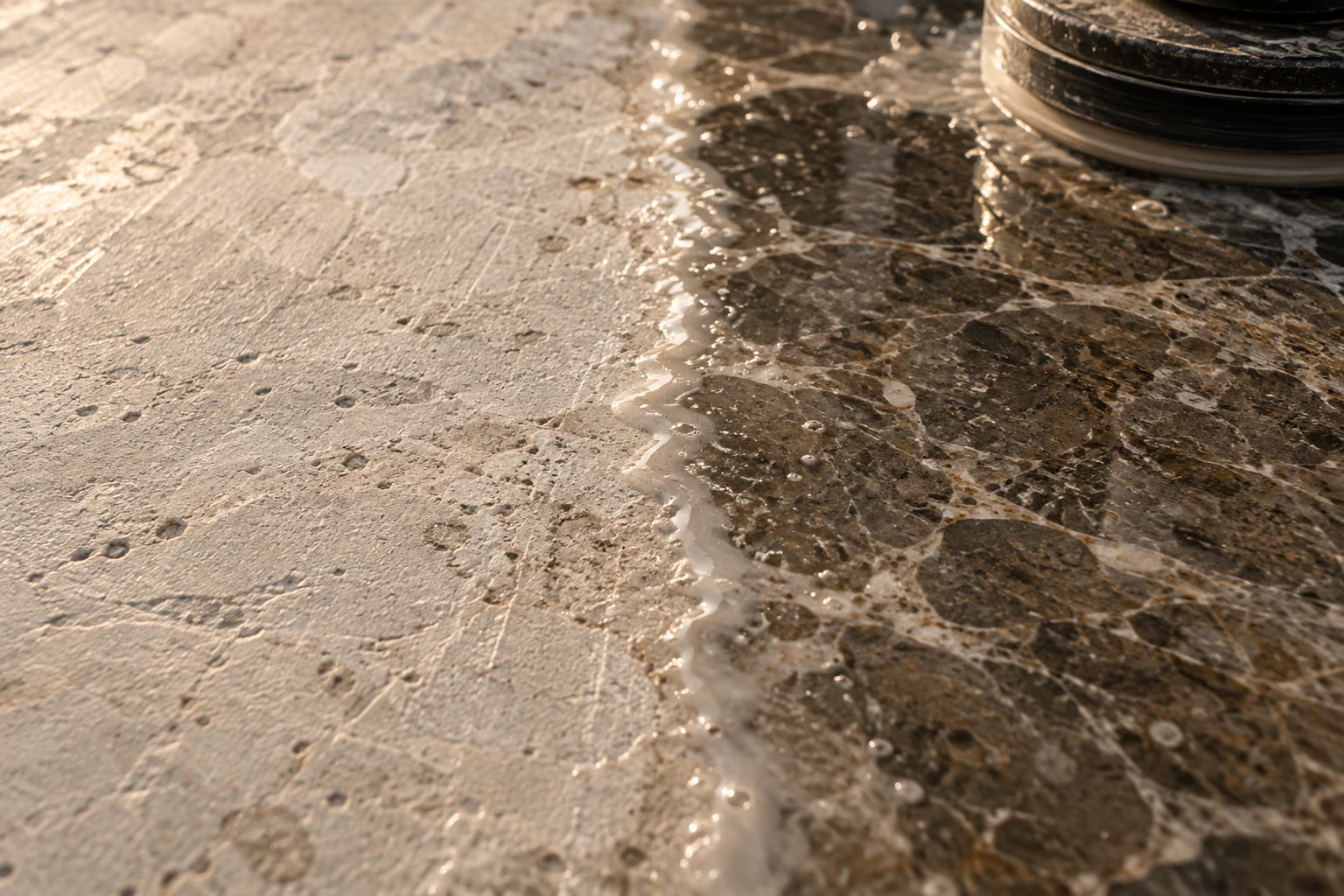
The finish is part of the specification, not a preference
The same slab honed and polished are, functionally, two different products. Polished surfaces show depth and colour, and also show wear, etching and fingerprints. Honed surfaces are quieter, more forgiving in use, and harder to keep looking deliberate over time.
For external and wet areas the finish stops being an aesthetic decision altogether. Bush-hammered and sandblasted surfaces exist because slip resistance has to be specified and tested against the condition the surface will actually be in — wet, soapy, or under a guest carrying a suitcase.
Packing
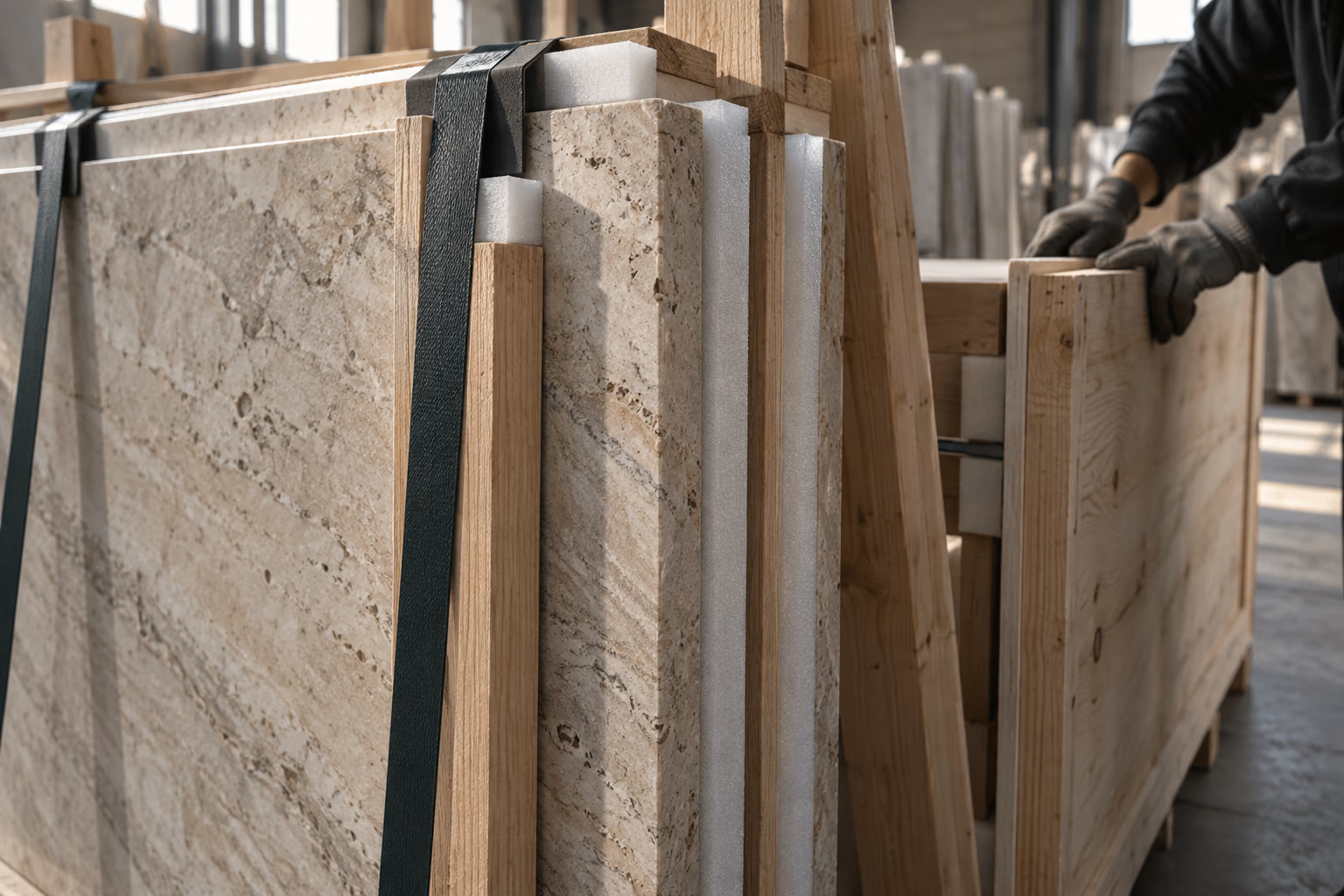
Built to survive the journey
Sea freight is hard on stone. A container is not a stable environment: it flexes, it swings, it changes temperature, and it is handled by people who cannot see what is inside. Crates are therefore built for the material and the route, edges are protected, and load plans assume movement rather than hope for its absence.
Every package is listed against the lot record, slab by slab, so that what arrives can be checked against what was approved rather than against what someone remembers agreeing.
Questions
What fabricators and contractors ask
What thicknesses do you supply?
The usual slab thicknesses for interior and cladding work, and cut-to-size to drawing. The right answer depends on span, fixing method and the material itself — onyx and heavily veined marble behave differently from granite at the same thickness — so it is agreed per project rather than published as a list.
Is resin or mesh reinforcement a sign of poor material?
No. It is standard practice for onyx and for heavily veined marble, and its absence in those materials would be the warning sign. What matters is that reinforcement is declared against the lot rather than discovered during fabrication.
Can you bookmatch?
Yes, and it has to be decided before the block is sawn. Bookmatched work needs consecutive slabs kept together, sequenced, photographed and reserved as a set — which is a supply decision taken upstream, not a selection made from stock.
Can you cut to our drawings?
Cut-to-size is produced against your drawing and checked dimensionally before release. Send the drawing with the enquiry — it changes which blocks are suitable, so it is more useful at the start than at the end.
Request a Quote
Tell us what you are building
A specialist reviews every request. You will hear from a person, not an autoresponder.