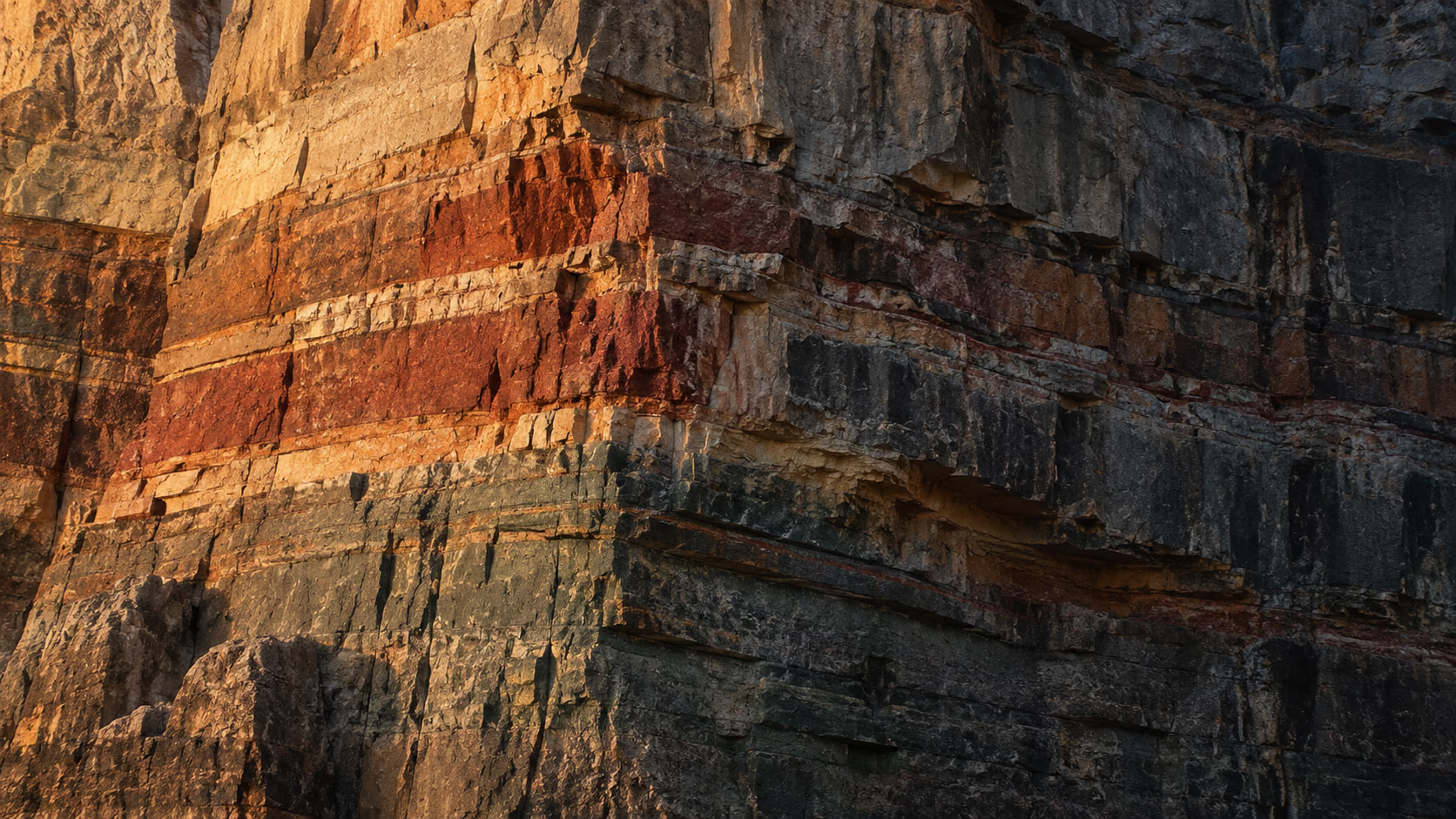
Algerian stone, at source
One of the Mediterranean’s most varied stone geologies, supplied through a chain built to make it specifiable.
Geology
What the ground here actually contains
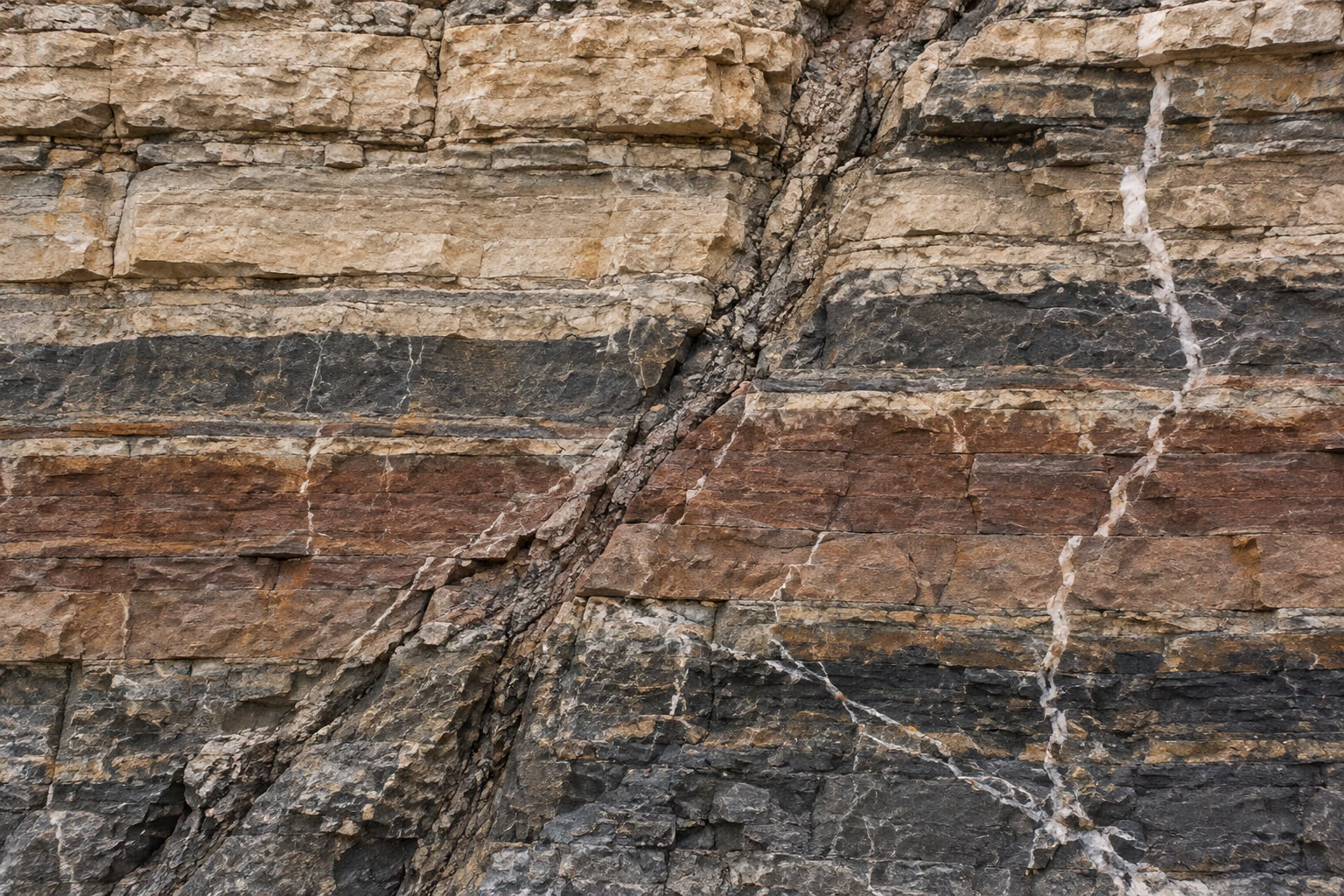
Algeria is the largest country in Africa, and its stone geology is correspondingly broad. Three provinces matter commercially: the Tell Atlas and the coastal ranges in the north, where Mediterranean carbonate systems produced marble; the vast sedimentary platforms through the centre, which produced travertine and onyx; and the ancient crystalline massifs of the south, which produced granite.
The colour is the consequence of what was dissolved in the water and trapped in the rock while it formed. Iron oxides give the crimsons and the deep reds. Chlorite and serpentine give the greens. Manganese and bitumen give the blacks their density. Slow carbonate precipitation around springs gives onyx its banding and, at the right thickness, its translucency.
This is why one country can offer a palette that most single-source regions cannot: a deep green and a crimson and a dense black and a honey-coloured translucent onyx, all specifiable from one supply chain rather than assembled from four.
Materials
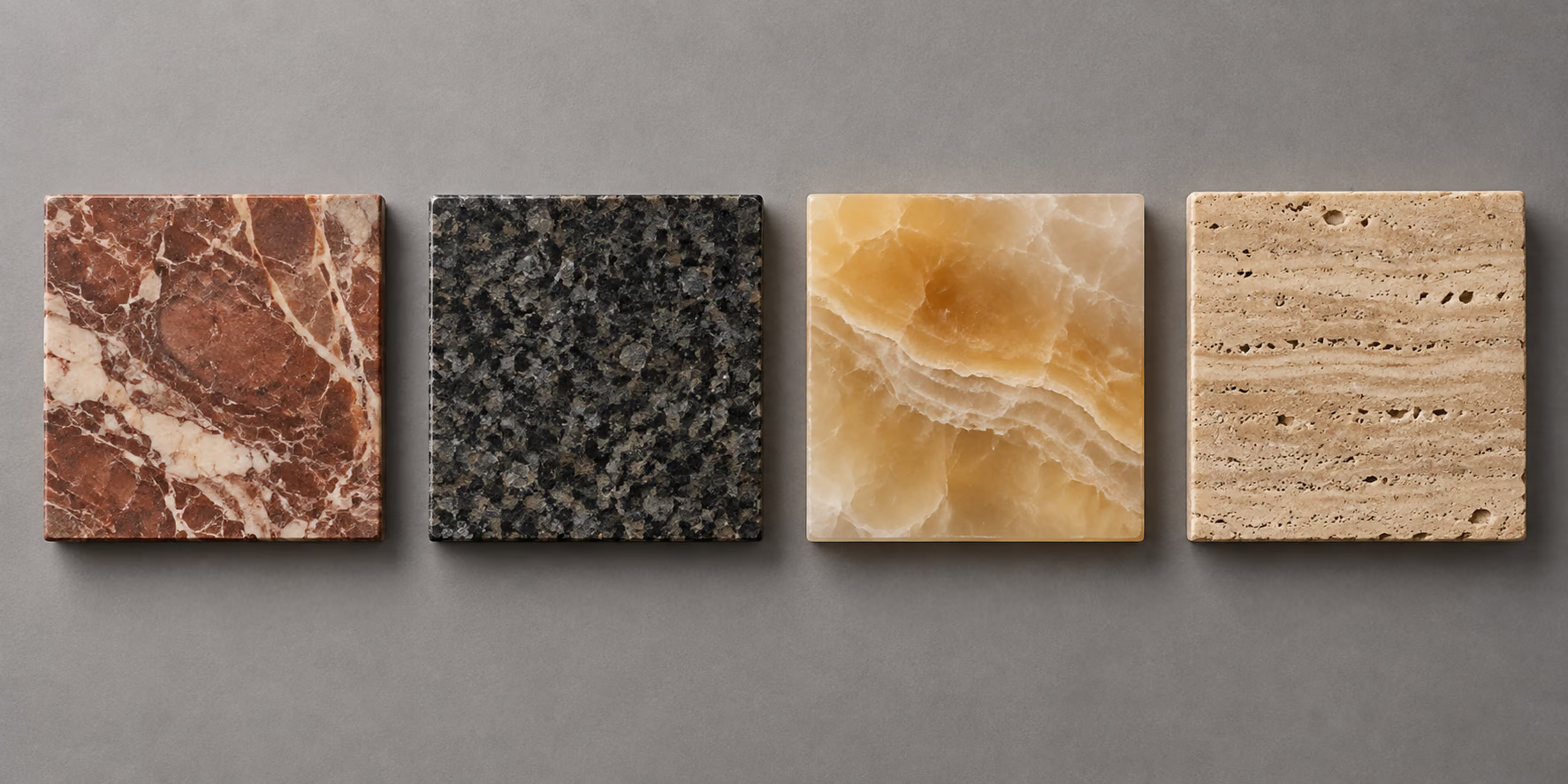
Four families, four different arguments
A material is chosen for what it has to do, not only for how it looks. These are the four families we work in, and the argument each one makes.
Scarcity
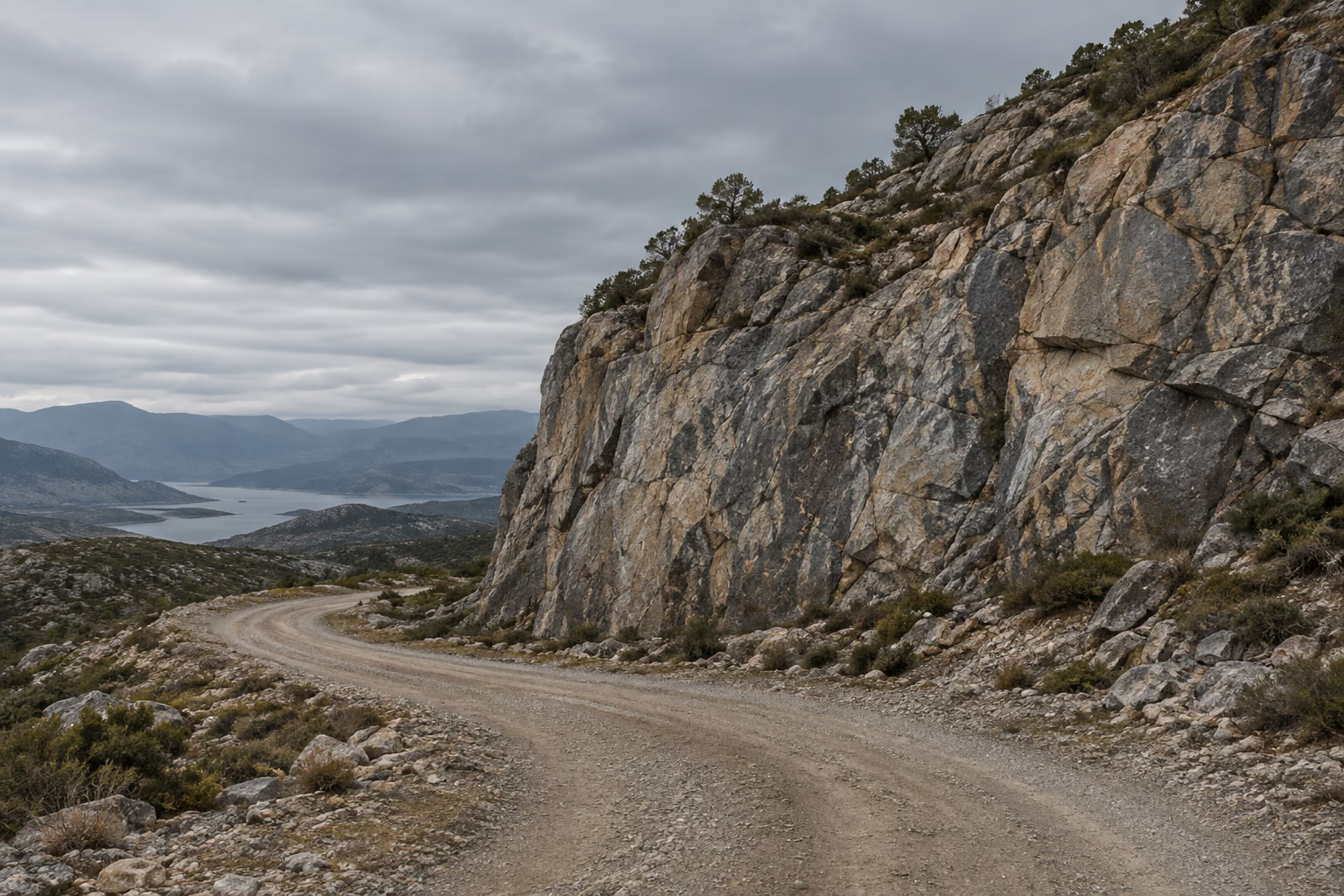
Rare is not the same as unavailable
These materials are uncommon in international projects, and the reason is not that the geology is thin. It is that the distance between a good block and a specified, inspected, containerised lot delivered to a site in another country is long, and most of it is unglamorous work.
That distance is measured in decisions rather than kilometres: how the block is cut, whether the variation across a lot was assigned honestly, whether the packing list matches what is actually in the crate, whether the paperwork clears customs at the destination without a phone call.
Geology creates the opportunity. Logistics, quality control and documentation are what turn it into a material an architect can specify with confidence.
Scarcity without infrastructure is just scarcity.
Extraction
Working at the block, not the warehouse
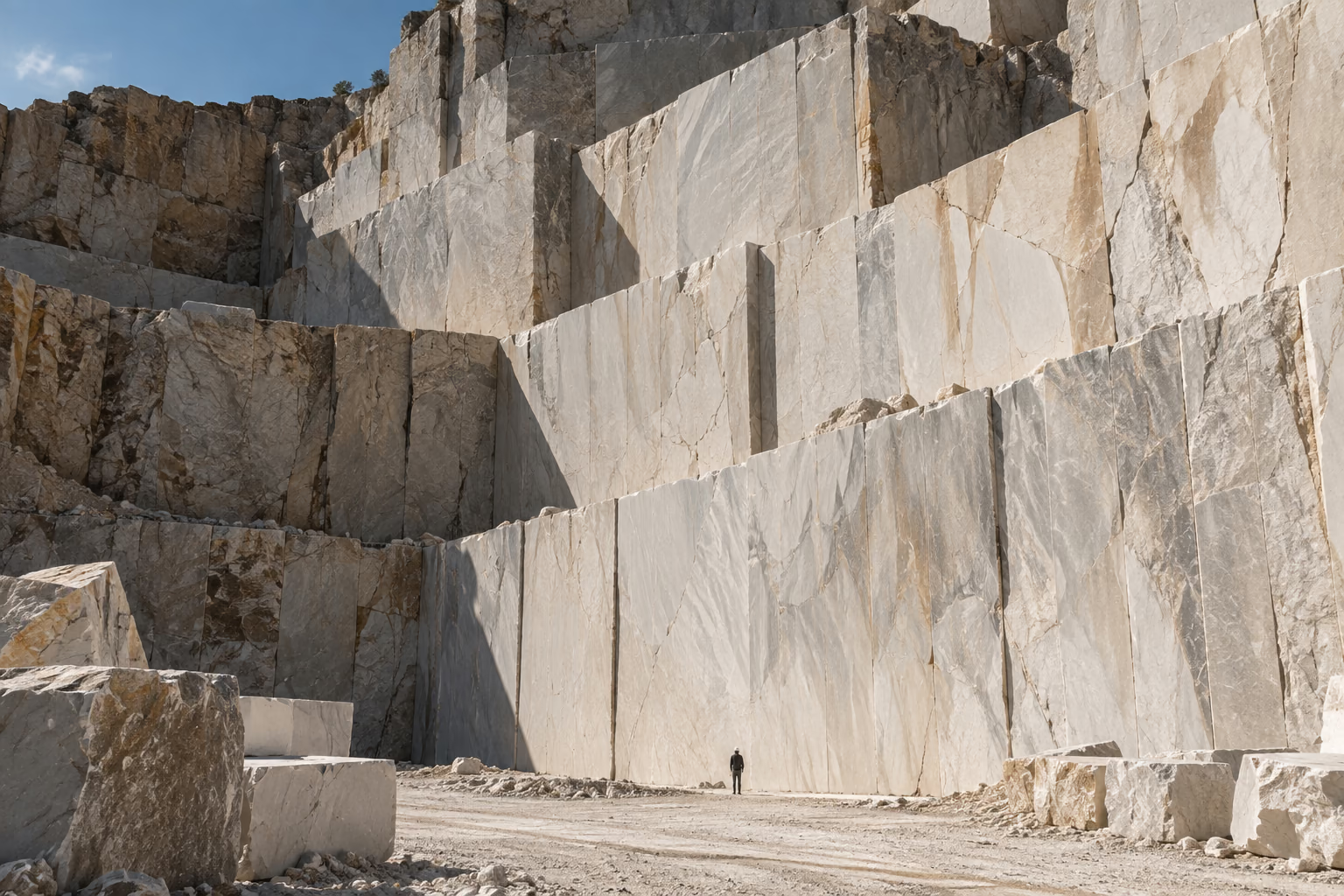
We work upstream, at the block, rather than buying finished slabs on an open market. That is what makes selection meaningful: the decisions that determine what a slab will be — cut direction, thickness, how much of one block is committed to one project — are taken before the saw runs, not chosen from what someone else already cut.
It also determines continuity. When a project needs the same material for a second phase eighteen months later, the conversation starts at the source rather than in a warehouse, where the answer is whatever happens to remain.
We do not publish the identity or location of the sites we work with. That is a commercial position and a contractual one, and it holds regardless of who asks.
Export
Organised around arrival, not departure
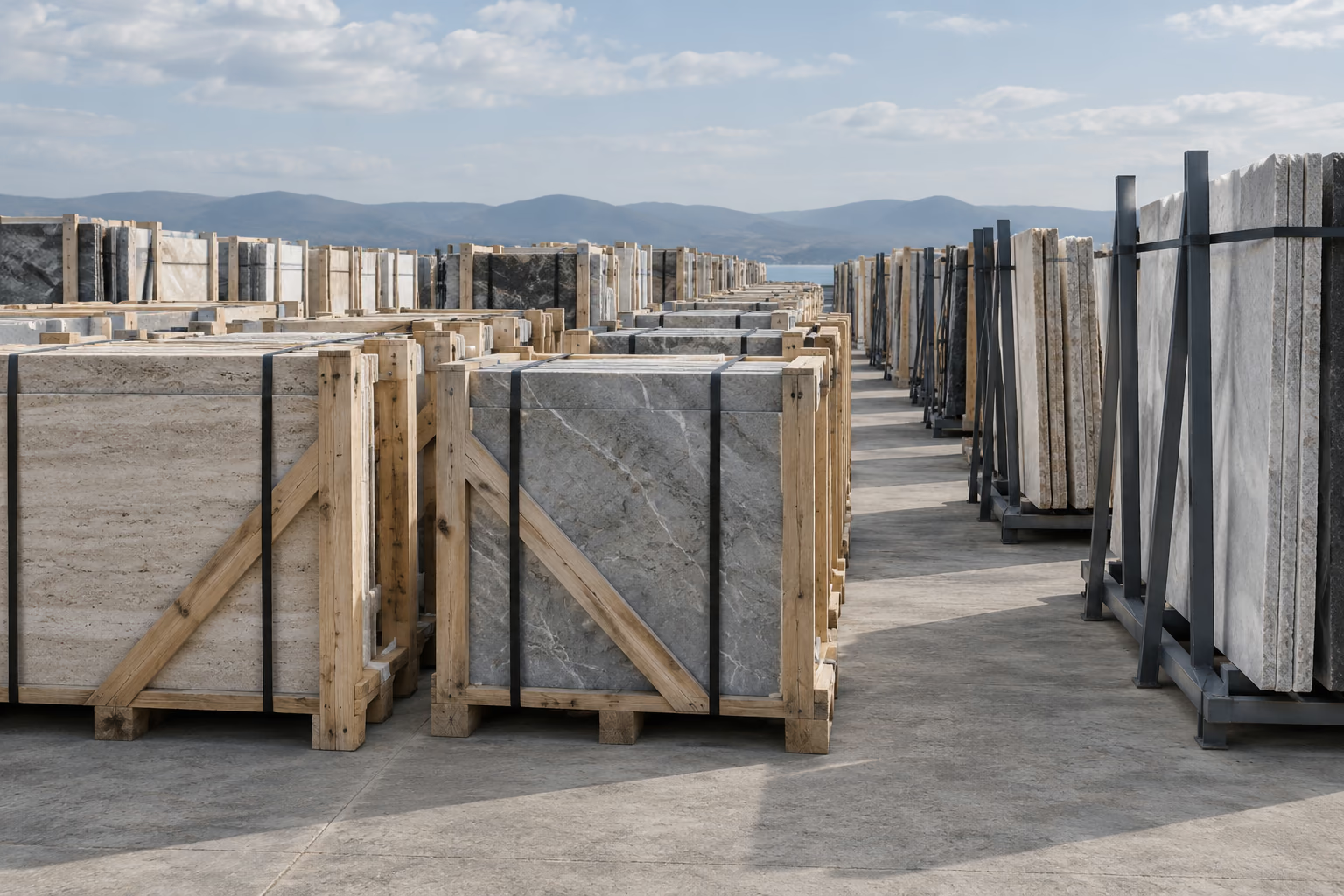
Everything downstream of extraction is built for export: crating and A-frames specified for sea freight, packing lists that match the lot record slab by slab, documentation prepared for the destination country, and Incoterms agreed in writing rather than assumed.
Algeria’s Mediterranean ports put European destinations within a short sea transit, and the Atlantic and Gulf routes are established. Transit time is rarely the constraint. What decides whether a delivery lands cleanly is whether the paperwork was prepared for the country it is arriving in.
A material that arrives damaged, late, or undocumented has failed, however good the stone looked in the yard.
Questions
What specifiers usually ask first
Is Algerian stone comparable to Italian or Spanish material?
For the applications they share, yes — these are the same rock types formed in the same Mediterranean systems. The practical differences are palette and supply maturity: Algeria offers colours that the classic European quarries do not, through a chain that is younger and therefore has to document itself more carefully.
Can you supply enough of one material for a whole building?
That is a block-level question, and it is why we answer it before you commit rather than after. Quantity, finish, thickness and the delivery window are assessed together, and the material for later phases is identified at the same time as the material for the first.
Which stone should I use outside?
Usually granite, and the reason is abrasion and weathering rather than appearance. Marble and travertine can work externally in the right climate, finish and detail, but that is a conversation about the specific material and the specific exposure — not a rule we can publish.
Will you tell me which quarry the material came from?
No. We publish a coarse origin region and nothing more precise. Site identity is contractually protected in both directions — the same confidentiality that keeps your project out of our marketing.
Request a Quote
Tell us what you are building
A specialist reviews every request. You will hear from a person, not an autoresponder.